
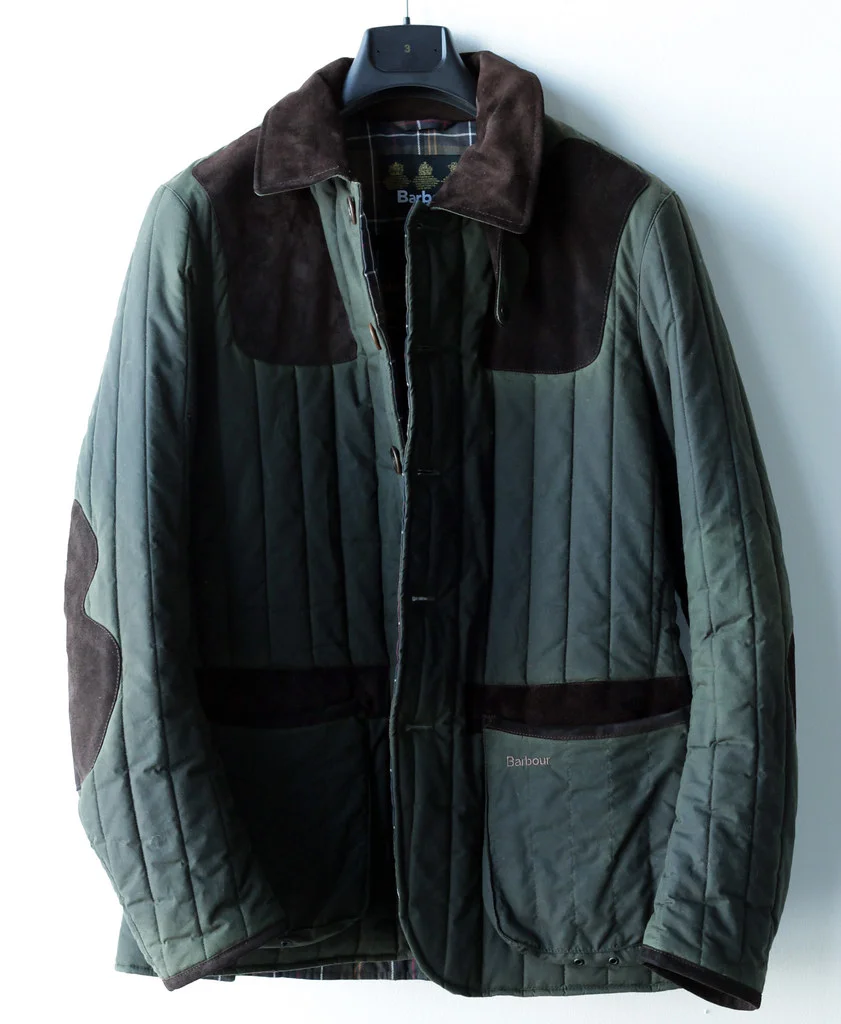
 Photo par Menswear Market via Flickr (CC BY 2.0)
The shirt is the most versatile piece in a man’s wardrobe and the easiest to wear badly. Too big, it gapes and looks scruffy. Badly tucked, it bunches at the waist. Well chosen and well fitted, it goes from the office to the weekend without effort. It all starts with the fit, then come the ways to wear it.
Fit first
A well-cut shirt shows in three places. The shoulder: the seam should land right on the shoulder bone, not on the arm or before it. The chest: you should be able to slide a flat hand in without the fabric pulling between buttons. The sleeves: the shirt cuff reaches the base of the thumb, and shows one to two centimetres past a jacket sleeve.
A shirt that is too loose shows at once and no ironing rescues it. Better a fitted or semi-fitted cut for an average build, a regular cut for more comfort or a broad frame. Very close slim fit only suits slim builds.
Tucked or untucked: the real rule
The debate has no single answer, it depends on the length of the shirt. A dress shirt, long, with rounded tails, is made to be tucked in. A casual shirt, shorter, with straight tails, can be worn out.
The simple test: the tails should cover the seat for a shirt to tuck in, and stop at mid-seat, around fly height, for a shirt to leave out. A long shirt worn untucked hangs like a dress and breaks the silhouette. Conversely, tucking in a short shirt makes it ride up at the slightest move.
Open collar, how many buttons
Without a tie, undo one button for a clean, professional look. Two for the weekend and casual evenings. Three, never, except at the beach. The opening should free the neck without showing the chest.
The collar itself stands or not depending on its structure. A collar with stays (those small stiffeners slid under the collar) stays straight and dressed. A soft collar, button-down type, sits more relaxed and holds on its own thanks to its buttons.
The ways to wear it
On its own, tucked into dress trousers. The professional base. Plain or fine-striped shirt, suit trousers or chinos, belt matched to the shoes.
Under a jumper or cardigan. The collar and cuffs showing add a layer of finish. Pick a fine shirt so it does not bulk up under the knit.
Under a suit jacket. Always tucked in. The collar should show slightly above the jacket neckline, and the cuff by about a centimetre.
Open over a t-shirt, sleeves rolled. The most casual version, overshirt style. A thick oxford or a flannel suits this well. Sleeves roll up to the elbow, no further.
The details that change everything
Ironing the collar and cuffs, even if the rest is less crisp, is enough to give a tidy impression. Rolling the sleeves cleanly counts too: fold over a few centimetres, two or three even turns, and stop just below the elbow.
One point many get wrong: the length of the sleeves when unbuttoned. If you keep the shirt long-sleeved without a jacket, the buttoned cuff should cover the wrist down to the base of the hand. Too short, it looks like you grew out of it. That is often the sign of a badly cut shirt more than a folding problem.